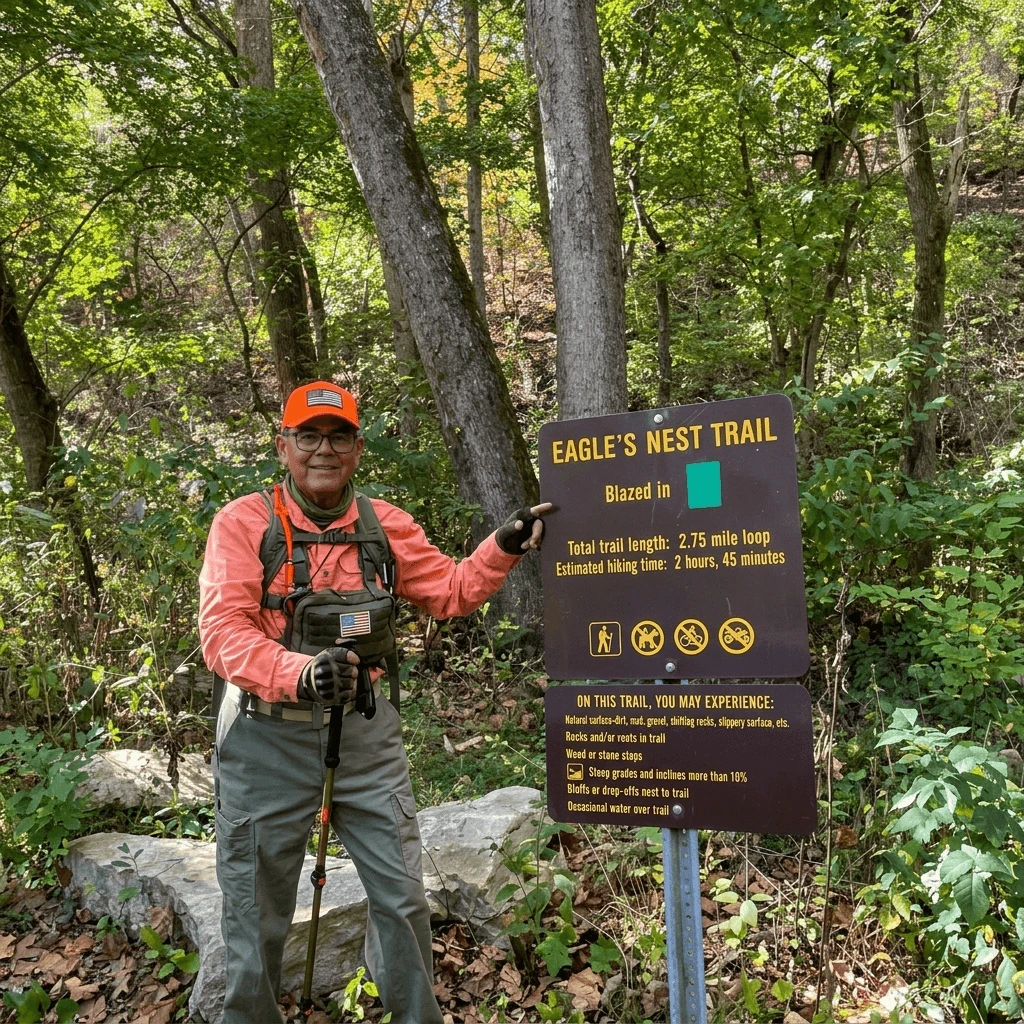
Eagles Nest Trail at Roaring River State Park in Missouri is the kind of outing that suits a Bella Vista day trip: a woodland walk in the Missouri Ozarks, a short drive across the state line, with a stream-fed park around it for the rest of the day. This guide covers how to plan the walk, what to watch for along the way, and how to fit it into a longer visit.
One note before the details. Trail length, difficulty, and conditions change, and trail work or weather can alter them. Check the park’s current trail information before you go, and treat what follows as a planning guide to use alongside it. Here’s a link to the State Parkhttps://bellavistaoutdoors.com/bella-vista-outdoors-shop/
Why Eagles Nest Trail belongs on a day trip list
Plenty of trails near Bella Vista are good for a quick after-work loop. A trip to Roaring River State Park near Cassville, Missouri, is a different kind of outing, because the trail is only one part of the day. The park is best known for its spring-fed trout stream, so there is water, a valley, and plenty of reasons to stay past the end of the walk.
That matters for nature lovers who care more about the experience than the mileage. A trail you can finish at an easy pace, with time left over for the creek, a picnic, or a drive through the park, is easier to talk a friend or family member into than a long haul.
The name also draws people in. Eagles Nest suggests high ground and wide views, but don’t count on seeing anything specific. Check the park’s trail map before you go so you know what the trail offers, and let anything extra be a bonus.
Finding the trailhead and where to park
Start with the park’s own resources. The official Roaring River State Park page and the posted trail maps inside the park show where each trail begins and which parking areas are closest. Park layouts can be confusing at first, and cell service in a valley can be patchy, so it helps to load or screenshot the map before you leave Bella Vista.
A few habits make arrival easier:
- Save or print the trail map at home, since signal can drop once you are in the valley.
- Check the park’s hours and any posted closures on the day you go.
- Arrive earlier than you think you need to on weekends and in fall, when popular parking areas fill up.
- Park only in marked spaces, and leave nothing visible in the car.
If you can’t tell which trail is which when you get there, ask at the park office or look for the trail signs at the trailhead. Park staff answer this question constantly, and they will know about washouts, closures, or recent trail changes that a website might not show.
What to expect underfoot
Ozark trails are rarely flat and smooth. Expect a mix of packed dirt, loose rock, tree roots, and in fall a layer of leaves that hides all of it. Leaves on rock are slippery, especially after rain, so the surface you see is not always the surface you are standing on. My husband, Mel, hiked the Eagles Nest Trail with his hiking Club (The Hill n Dale Hikers) and found that gravel made the trails somewhat slippery.
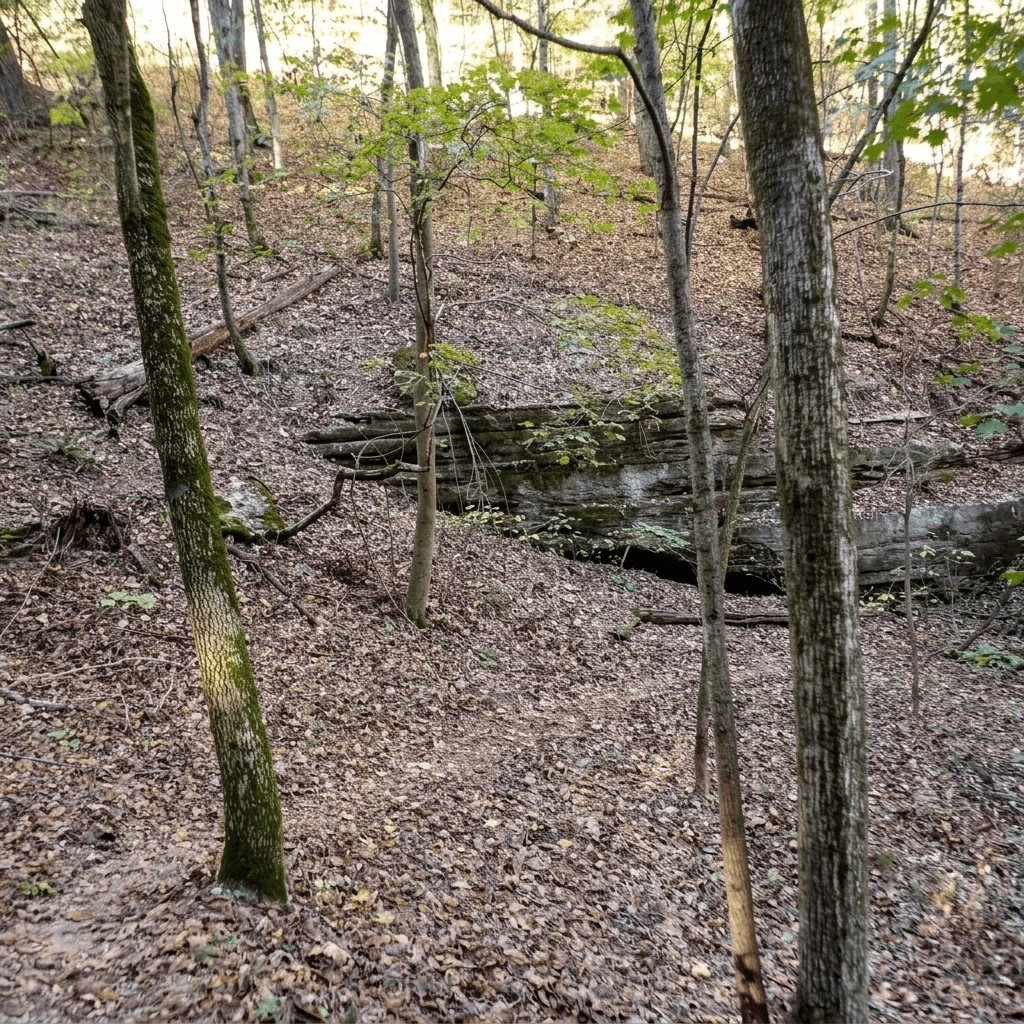
Check the park’s trail information for the current difficulty rating and length so you can match the walk to your group. A trail that is comfortable for a regular hiker can be a lot for a small child or for someone with sore knees. If anyone in your group is unsure, decide ahead of time that turning back is fine.
Some things are worth doing on any Ozark trail:
- Walk slower than your normal pace on downhill sections, where loose rock does the most damage.
- Use the trail edges sparingly. Stepping off the path widens it and damages roots.
- Look at the ground in short bursts and look up in between. Trying to do both at once is how people trip.
- Carry a phone or small map, and note the trail markers at any junction.
Rain changes things. A trail that is easy and dry on Tuesday can be muddy and slick on Thursday. If the ground has been soaked in the last day or two, expect slow going and choose shoes accordingly.
Wildlife and views worth slowing down for
Slowing down is the whole trick to seeing anything in the woods. Groups that talk loudly and move fast see trees. Groups that stop every few minutes and listen see far more.
The Ozark woods are home to animals commonly seen across the region, and any of these might show up:
- Birds. Woodpeckers, including the large pileated, announce themselves with drumming and loud calls. Songbirds are most active early in the day. Near water, watch for herons and kingfishers.
- Deer and turkey. Both are common in Ozark woodland and are most likely at dawn and dusk.
- Small animals. Squirrels and chipmunks are everywhere. Look for box turtles on warm, damp days, and never pick one up and carry it off.
- Raptors. Hawks soar over ridgelines, and bald eagles may appear in some seasons. Whether you see one is luck, so enjoy the possibility without counting on it.
If you are new to identifying birds, you don’t need gear to start. The birdwatching guide for beginners on this site covers how to begin with nothing but your eyes and ears.
For views, look for gaps in the trees where the land drops away. Those gaps reveal the valley and ridgelines. Stop there, even for a minute. A photo taken while standing still is almost always better than one taken while walking.
Making a day of it at Roaring River
The trail works best as the centerpiece of a longer day, not the only thing on the schedule. Here is one way to fit the pieces together.
Morning. Arrive early and walk the trail first. Morning light is softer, the air is cooler, and wildlife is more active. You will also have more of the trail to yourself.
Midday. Eat a picnic lunch. Bring your own food, since park services vary by season and day. Check the park’s website to see what’s open and when.
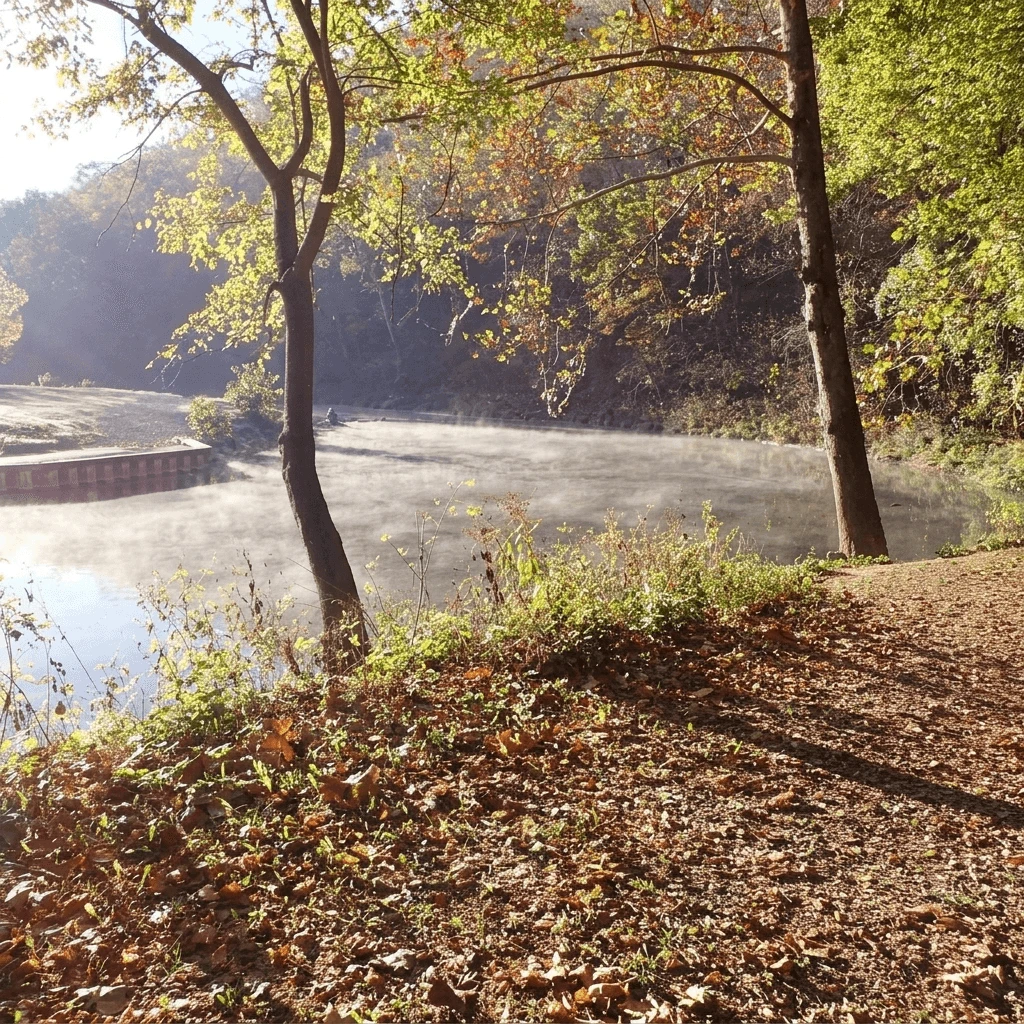
Afternoon. Spend time around the water. Roaring River is famous for trout fishing, and even if you don’t fish, watching the stream and the people along it is a good way to slow the day down. The park also has other areas and trails to explore if you still have energy, and the park’s visitor information will point you to them.
Heading home. Leave with enough daylight for the drive back to Bella Vista. Rural roads are slower and darker than they look on a map, particularly in fall when the sun sets earlier.
If you would rather do a lighter outing, walk the trail and then head straight to the water. A shorter day with fewer stops is still a full day outdoors.
What to wear and pack so you’re comfortable
Most trail discomfort comes from shoes, weather, and thirst, in that order. Fix those three and the rest sorts itself out.
Wear:
- Closed-toe shoes with real tread. Trail shoes or light hiking boots are best, and sneakers will do on a dry day.
- Layers. Valleys are often cooler and damp in the morning, and you will warm up as you walk.
- Long pants in tick season, which covers much of the year in Missouri.
- A hat, especially if you burn easily.
Pack:
- More water than you expect to drink.
- Snacks like fruit, nuts, or a sandwich.
- A small first aid kit with bandages and blister protection.
- Insect repellent.
- A charged phone and the trail map you saved earlier.
- A bag for trash, because you carry out what you carry in.
Binoculars are optional but a good upgrade if you like birds. A small pair is enough, and it can change what you notice in the treetops.
Best time of year and time of day to go
Each season offers a different walk, and none is wrong.

- Fall is the obvious favorite. Ozark foliage typically turns through October and into early November, and the cooler air makes a longer walk comfortable. It is also the busiest time, so go early. Since it is late October as I write this, now is the season to plan for.
- Spring brings wildflowers, active birds, and a greener woodland. Trails can be muddy after rain.
- Summer is hot and humid. If you go, start at first light, carry extra water, and expect bugs.
- Winter strips the leaves and opens up views that are hidden the rest of the year. Bare trees also make birds and larger animals easier to spot. Watch for ice on shaded sections.
For the best chances of wildlife, go early in the morning for cooler temperatures, softer light, fewer people, and better wildlife viewing. Late afternoon is the second best choice, but plan your return so you are off the trail before dusk.
Check the weather the night before and again that morning. Heavy rain makes some park areas unsafe, and the park may close parts of it.
Bringing a piece of the trail home
A good walk usually leaves you wanting a reminder. Phone photos are one option. A print on the wall, or a set of coasters on the coffee table, keeps the place in front of you where you actually see it.
If you like seeing local scenery around the house, the Lake Norwood autumn coasters show how a favorite Bella Vista view can become something you use every day.
Browse the Bella Vista Outdoors print-on-demand Shop for nature-inspired prints and gifts that bring a favorite trail view home, and tell me in the comments which trail you want covered next.
Comments
I enjoy receiving comments and questions from site visitors; leave yours below – Shirley